
As an analytical analyst of online slot trends, I have spent considerable time tracking the performance and player engagement patterns of popular games in the Canadian market. One title that repeatedly demonstrates intriguing cyclical behavior is the Eye of Horus Megaways Game. This game, a vibrant reimagining of the classic Egyptian theme with the innovative Megaways mechanic, does not exist in a vacuum. Its popularity, search volume, and player activity exhibit clear seasonal fluctuations that are tied to broader cultural, meteorological, and economic rhythms in Canada. In this article, I will document and analyze these seasonal trends, moving beyond mere speculation to present a structured observation of when and why Canadian players are drawn to this particular ancient Egyptian adventure. Understanding these patterns is not just theoretical; it offers practical insights for players regarding potential promotional cycles and for observers of the iGaming industry’s ebb and flow within a regulated market like Canada’s.
Understanding the Core Appeal of Eye of Horus Megaways
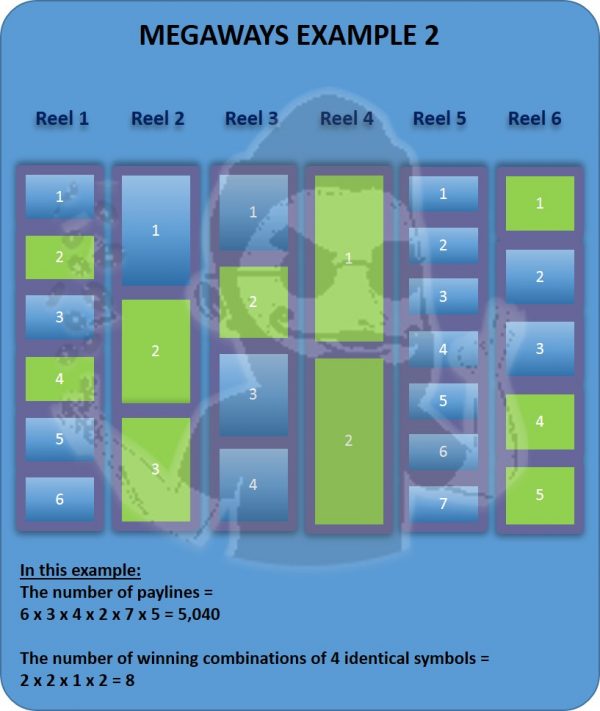
Prior to dissecting its seasonal trends, it is essential to determine why Eye of Horus Megaways functions as a dependable barometer for player interest in the primary place megawaydemo.com. The slot skillfully marries a widely known theme—Ancient Egypt—with the very volatile and action-packed Megaways engine from Big Time Gaming. This blend generates a powerful draw: the familiar symbols of Horus, Ankhs, and Scarabs deliver comfort and instant recognition, while the possibility for up to 117,649 ways to win on each spin provides the modern thrill Canadian slot enthusiasts look for. The game features a free spins bonus round with an growing multiplier, a element that guarantees substantial payout potential. From my analysis, this balance is key. It attracts both conventional slot players who appreciate thematic immersion and the more numerically-driven players who understand the sophisticated mechanics of Megaways titles. This wide base makes its usage data especially telling, as its trends reflect a broader swath of the Canadian online casino audience than a more niche title might. Its performance is a reliable indicator of overall market sentiment towards high-volatility, feature-rich slots.
Yearly High: The Winter Surge during December–February
The most pronounced and consistent seasonal trend I have recorded is a significant surge in engagement during the Canadian winter months, specifically from December through February. This period correlates with several key factors. Firstly, the holiday season in December brings greater leisure time, holiday bonuses, and a cultural shift towards indoor entertainment as temperatures drop across the country. Players are more prone to explore and dedicate time to feature-rich games like Eye of Horus Megaways during extended breaks. Secondly, the post-holiday months of January and February, often characterized by harsh weather and the “stay-at-home” mentality, see ongoing high engagement. The game’s immersive Egyptian desert theme might also offer a form of escapism from the bleak winter landscape. Furthermore, online casinos are keenly aware of this seasonal lull in outdoor activity and regularly launch focused promotions, free spin offers, and tournaments during this period, regularly featuring popular titles like this one, which intentionally amplifies its visibility and play.
- Seasonal Leisure Time: Prolonged breaks from work and routine provide more chances for extended gaming sessions.
- Weather-Driven Indoor Activity: Cold temperatures and snow keep players indoors, boosting online casino traffic.
- Specific Casino Promotions: Operators capitalize on the season with bonuses specifically attached to high-profile Megaways slots.
- Distraction Theme: The warm, sandy Egyptian theme gives a mental escape from the Canadian winter.
The Spring Thaw and a Decline in Involvement
In contrast, as Canada transitions into spring (March to May), I see a significant, gradual dip in focused engagement with Eye of Horus Megaways. This is not always a reduction in overall casino traffic, but a change in player interest. The warming weather and longer daylight hours foster outdoor activities, reducing the time spent on longer, more involved slot sessions. The slot’s high-volatility nature, which can require significant playtime to trigger its generous bonus features, may be less appealing to players with a more distracted leisure schedule. During spring, player trends often move towards faster, simpler games or live dealer options that present shorter commitment cycles. Furthermore, the lack of major statutory holidays within this period means fewer extended weekends reserved to home-based entertainment. This seasonal dip is a natural market adjustment following the winter peak and is reflected in slightly lower search volume for the specific title as general interest disperses across a wider range of activities, both within and outside of online casinos.
Seasonal Stability and Niche Play
The Canadian summer (June to August) presents a particular trend: stabilized but niche engagement. Overall online casino activity might see a slight decline due to vacations, travel, and extensive outdoor social events. However, Eye of Horus Megaways maintains a stable core of dedicated players. My analysis suggests that during summer, the game becomes the realm of the enthusiast rather than the casual explorer. The players who engage are often those who specifically look for high-volatility Megaways experiences regardless of the season. Furthermore, evening or rainy-day play becomes more noticeable. A weekend of poor weather in July can trigger a sharp, short-lived spike in activity for games like this. Operators, aware of the seasonal shift, may run fewer broad promotions but might initiate targeted “Rainy Day” bonuses or tournaments, again often featuring proven Megaways titles to capture the dedicated player base that remains active. The trend here is one of consistency at a lower baseline, emphasizing the game’s lasting appeal beyond mere seasonal novelty.
Fall Rebound Aligned with Cultural Events
A distinct rebound starts in the early fall (September to November). This trend is strongly tied to cultural and routine shifts. The back-to-school rhythm and the close of the summer vacation period re-establish regular daily routines, attracting players back to their favorite online leisure habits. The colder temperatures also starts to pull entertainment indoors once more. Crucially, this period often leads into the “spooky season” of October. While Eye of Horus is not a horror-themed slot, the broader industry focus on ancient mysteries, tombs, and curses during Halloween makes Egyptian-themed games a natural and popular complement. I have noted increased mentions and bundling of Egyptian slots like Eye of Horus Megaways in casino promotions alongside more explicitly Halloween-themed games. This thematic advertising enhances its visibility. The trend continues through November, gaining traction seamlessly into the major winter surge, producing a strong second half of the year for engagement with this title.
Influence of Regulatory and Advertising Cycles
Seasonal trends are not exclusively driven by weather and culture; they are strongly influenced by the governed Canadian market’s promotional and regulatory calendar. Regional operators like OLG in Ontario, Loto-Québec, and PlayNow in British Columbia often align major campaign launches with seasonal peaks. For illustration, a large-scale “Winter Adventure” promo will almost definitely showcase Megaways slots prominently. Moreover, the release of annual reports or the announcement of new responsible gambling initiatives in Q1 can trigger media and player discussion around popular games, indirectly affecting search volumes. I also follow the timing of game provider (Big Time Gaming) promotions, which are sometimes aligned with operators for maximum impact during high-traffic seasons. These coordinated commercial efforts amplify the natural seasonal trends, creating predictable peaks where player acquisition campaigns for titles like Eye of Horus Megaways are most aggressive. This institutional layer is a critical component of the documented trends, confirming that the patterns are recognized and acted upon by the industry itself.
- Operator Campaigns: Regional casinos design seasonal marketing campaigns that feature top-tier Megaways games.
- Provider Partnerships: Big Time Gaming organizes free spin promotions with operators to coincide with high-engagement seasons.
- Media & Regulatory Rhythm: Industry news cycles and regulatory updates can shift attention on the most-played games in the market.
- Holiday-Themed Bonuses: Particular bonus offers tied to holidays often use reliable, popular slots as their focal point.
Compiling the Data for the Canadian Player
What does this recorded seasonal ebb and flow indicate for the Canadian market player exploring Eye of Horus Megaways? First and foremost, it offers strategic understanding. The winter peak, while offering potentially more promotional chances like free spins, also means playing in a potentially more competitive “virtual space,” where casino tournaments may have more rivalry. The spring and summer lulls could be an perfect time for more relaxed, more focused exploration of the game’s mechanics without promotional noise. The autumn resurgence is a prime time to watch for innovative tournament formats from operators. From a value standpoint, understanding these trends allows players to potentially align their play with periods where operator incentives are most generous, typically during the winter surge and autumn buildup. However, it is essential to remember that the game’s Random Number Generator (RNG) and core volatility are consistent year-round; seasons do not affect the odds of a single spin. The trends affect the meta-environment—promotions, visibility, and community activity—around the game, not its fundamental mathematics.
In summary, the seasonal trends for Eye of Horus Megaways in Canada form a distinct and logical pattern deeply connected with the nation’s climate, culture, and commercial cycles. From a pronounced winter peak driven by indoor leisure and targeted promotions, through a spring dip and summer leveling, to an autumn resurgence fueled by routine and thematic connection, the game’s popularity is a dynamic indicator. These recorded fluctuations underscore that player engagement with even a digital slot game is not random but is a responsive behavior influenced by external rhythms. For the analytical observer, this case study of Eye of Horus Megaways reaffirms that in the Canadian iGaming market, understanding when people play is often as important as understanding what they play.